Éric Aubertin
| Du jeudi 13 au dimanche 23 novembre 2025 Heures d’ouverture: du jeudi au dimanche de 12 h à 17 h Vernissage: le jeudi 13 novembre, 17h00 à 20h00 |
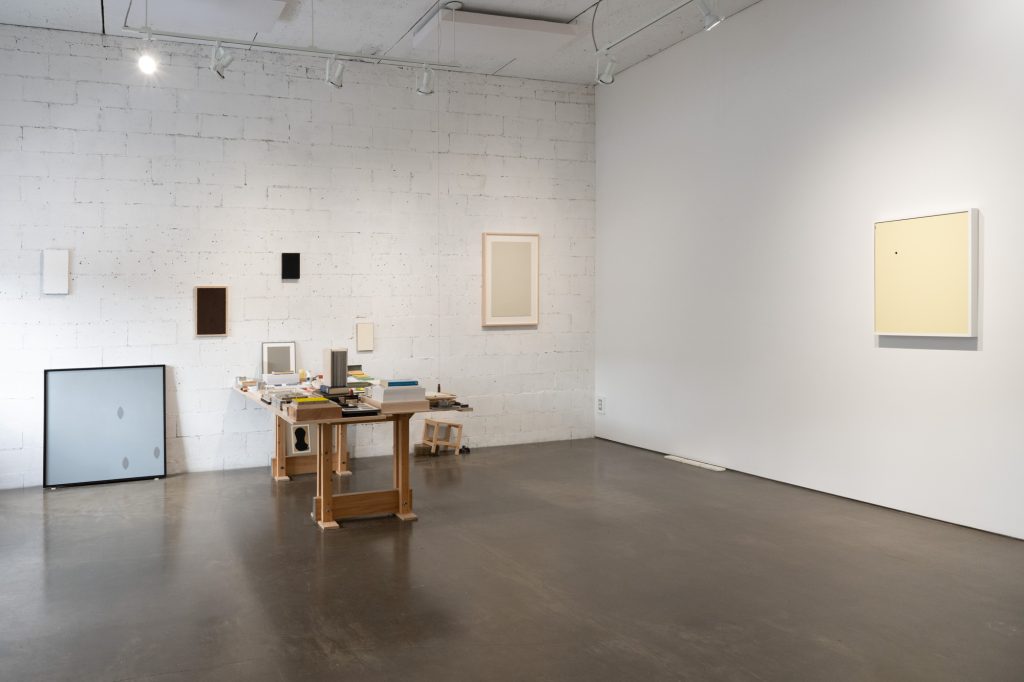
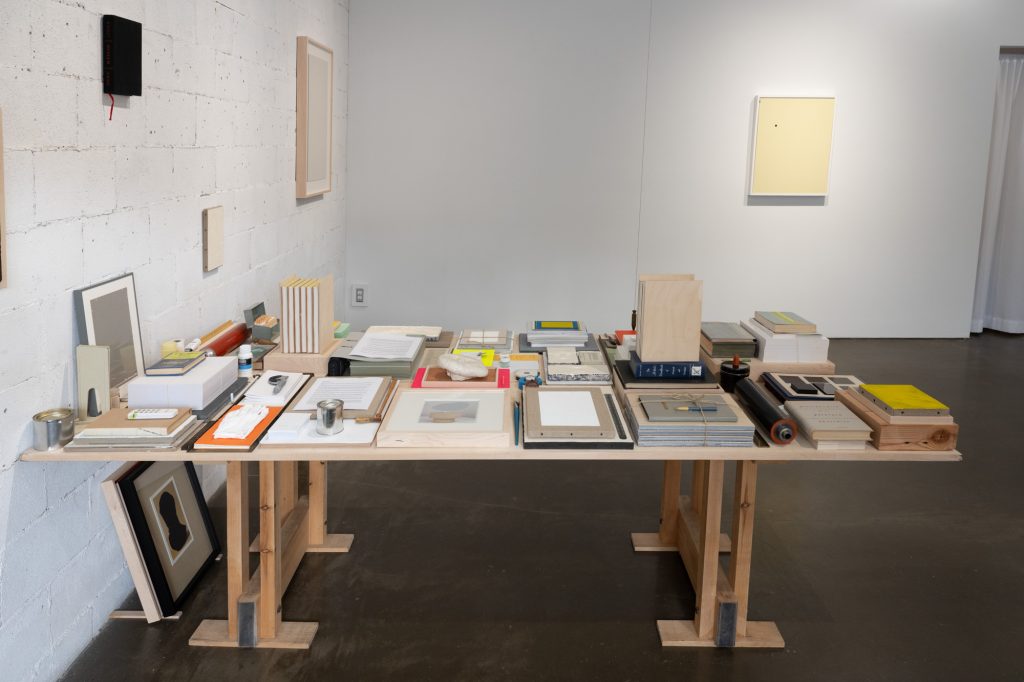
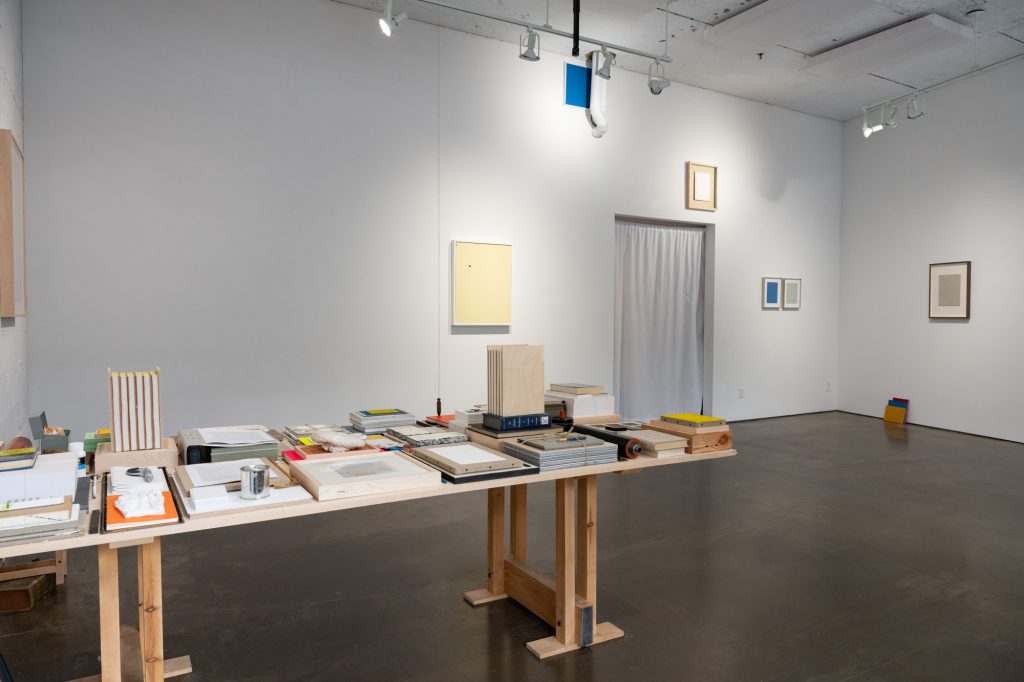
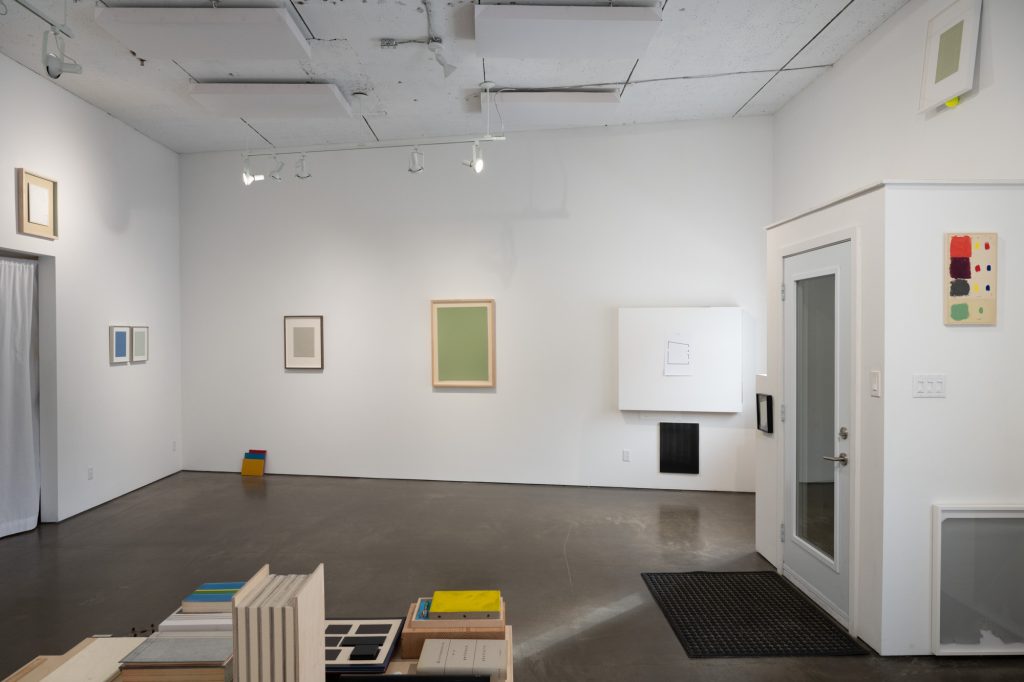
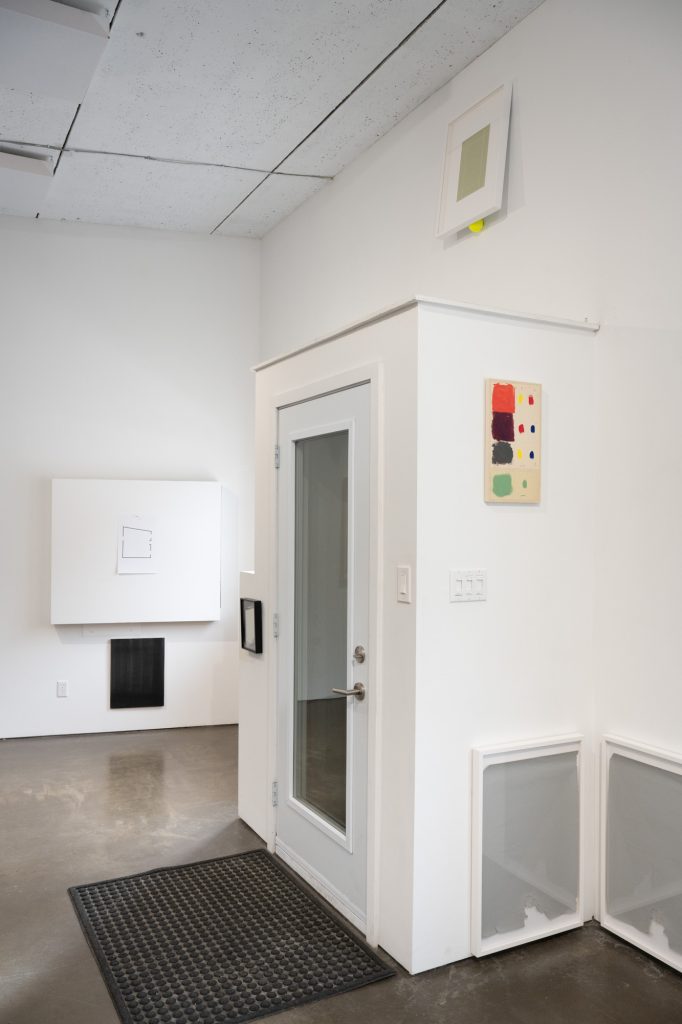
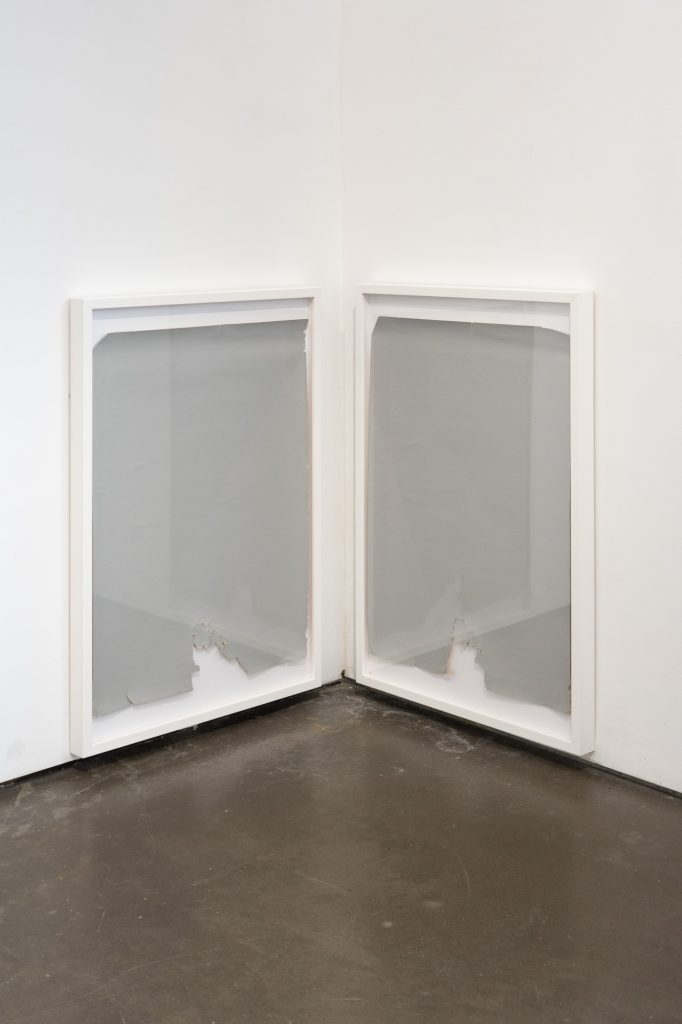
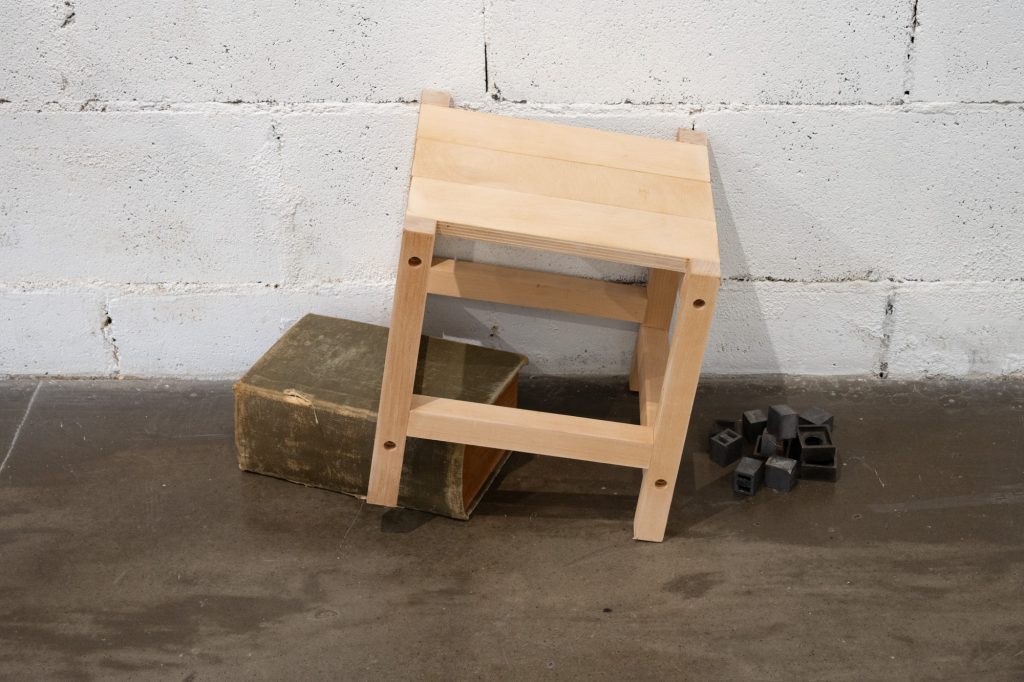
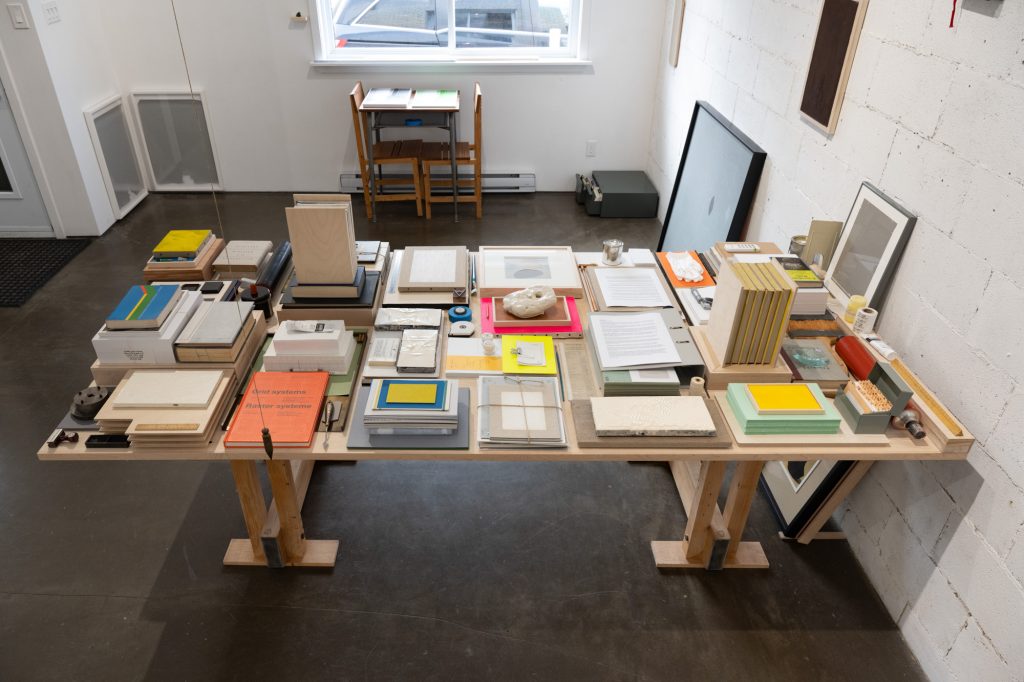
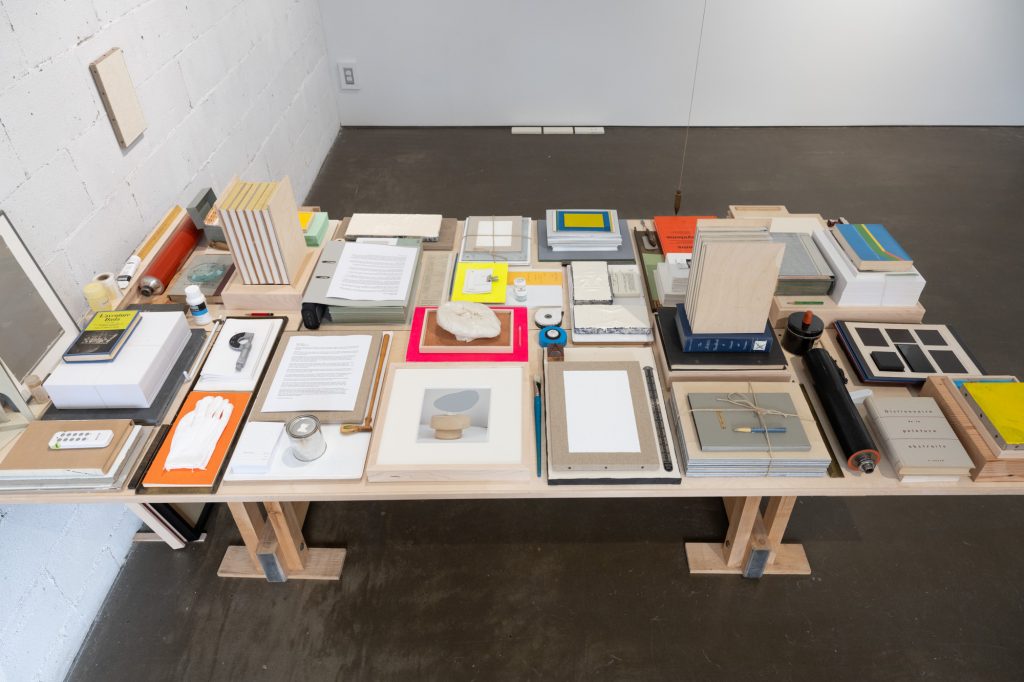
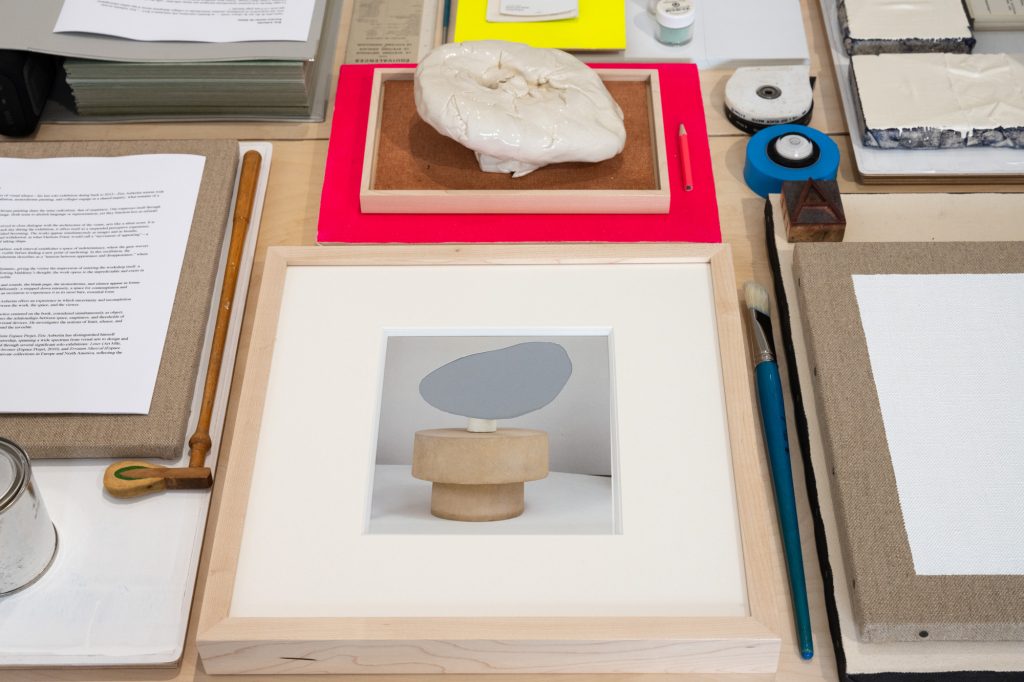
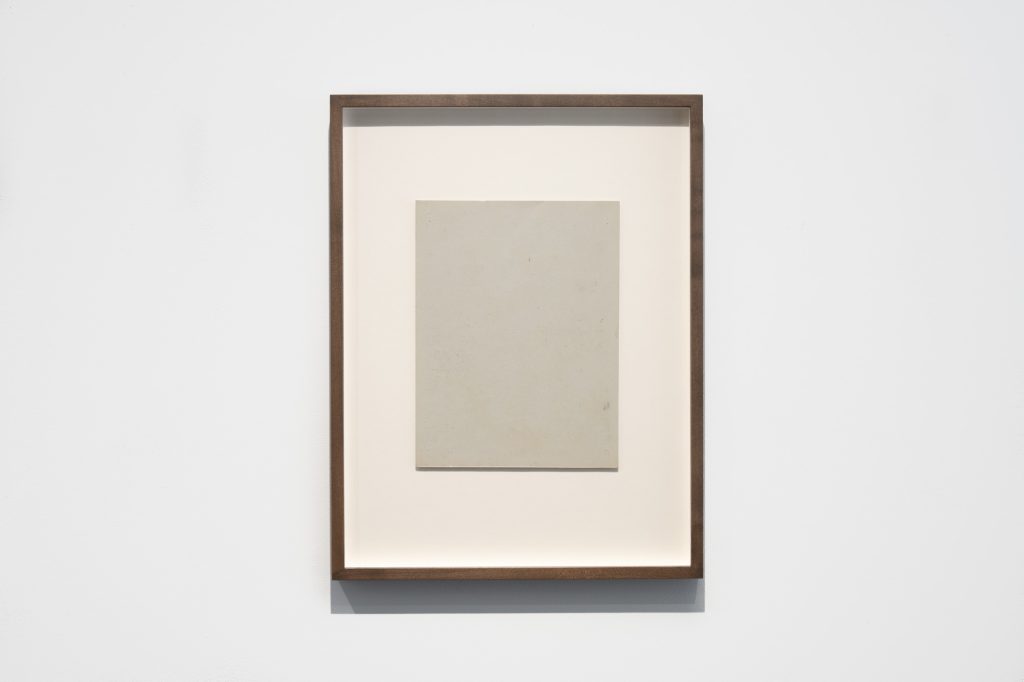
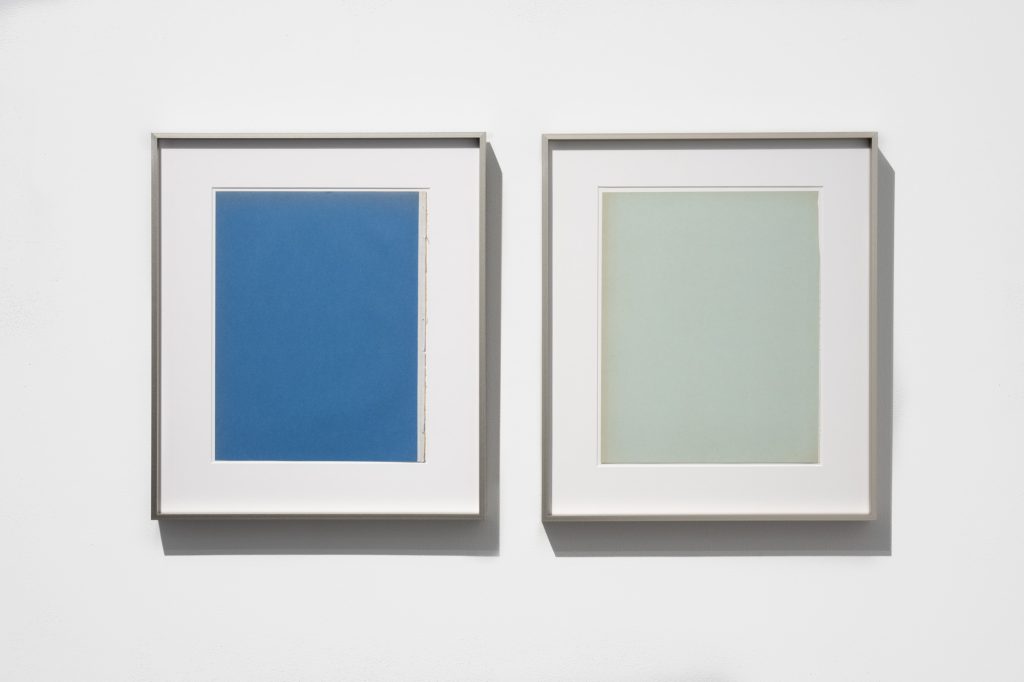
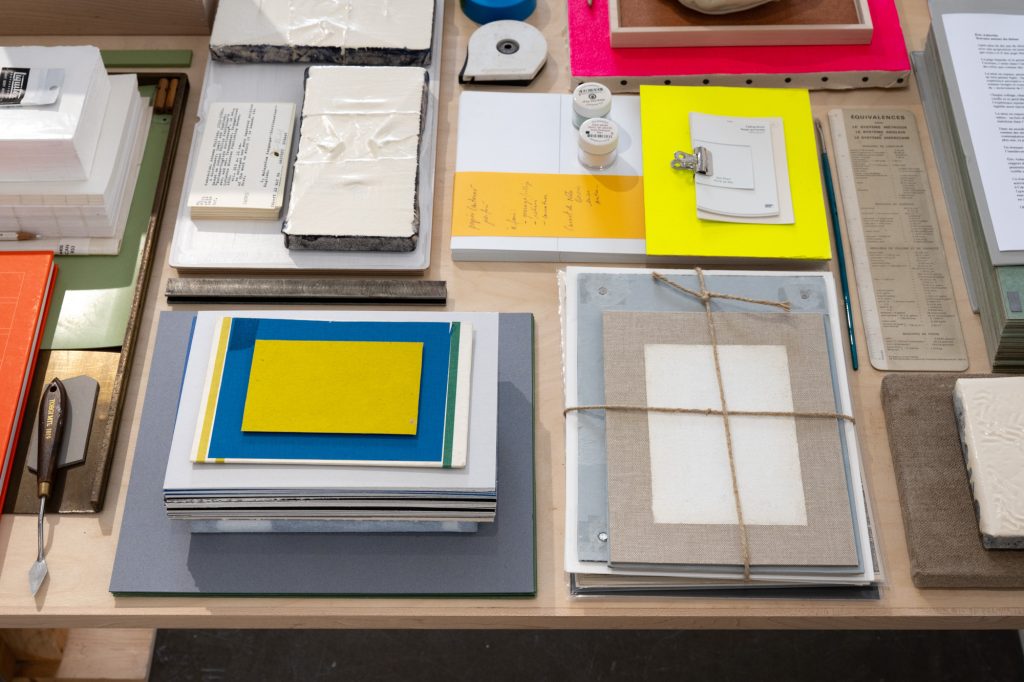
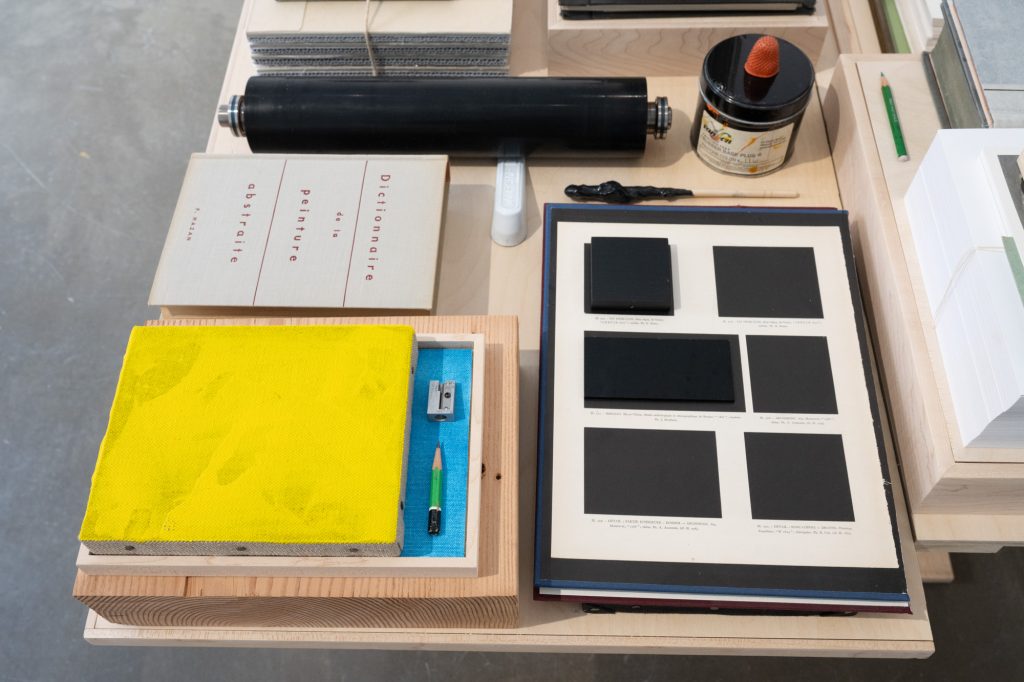
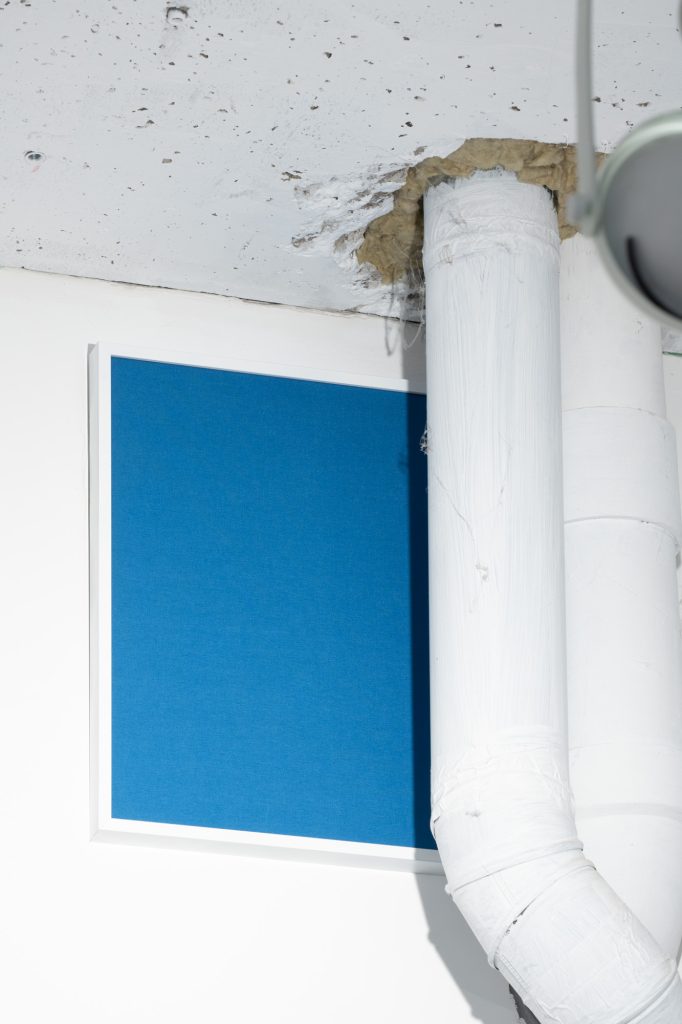
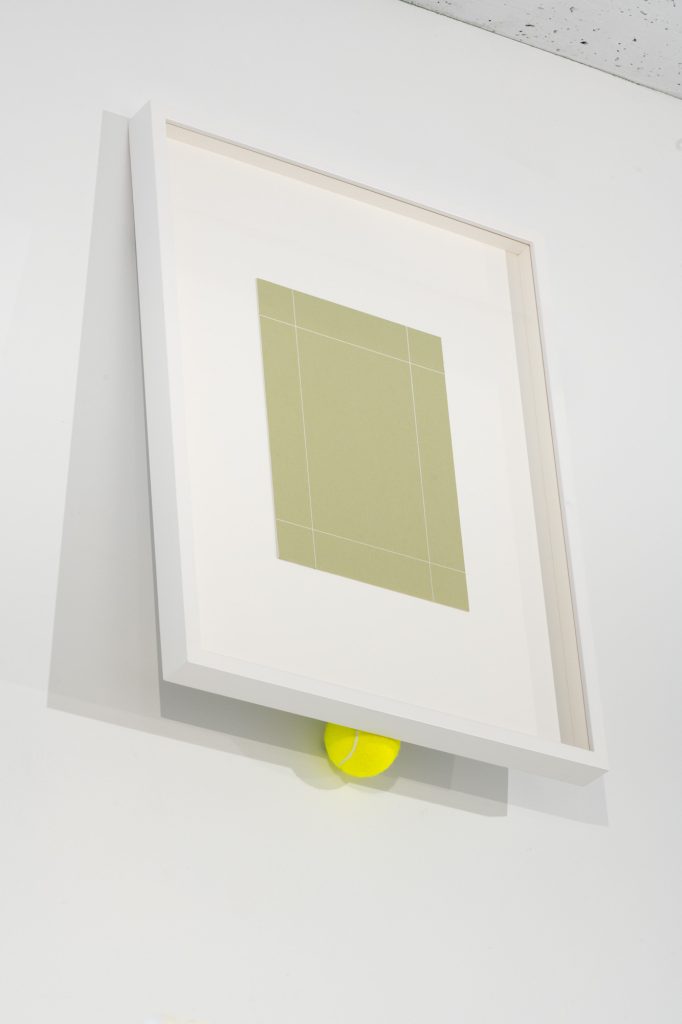
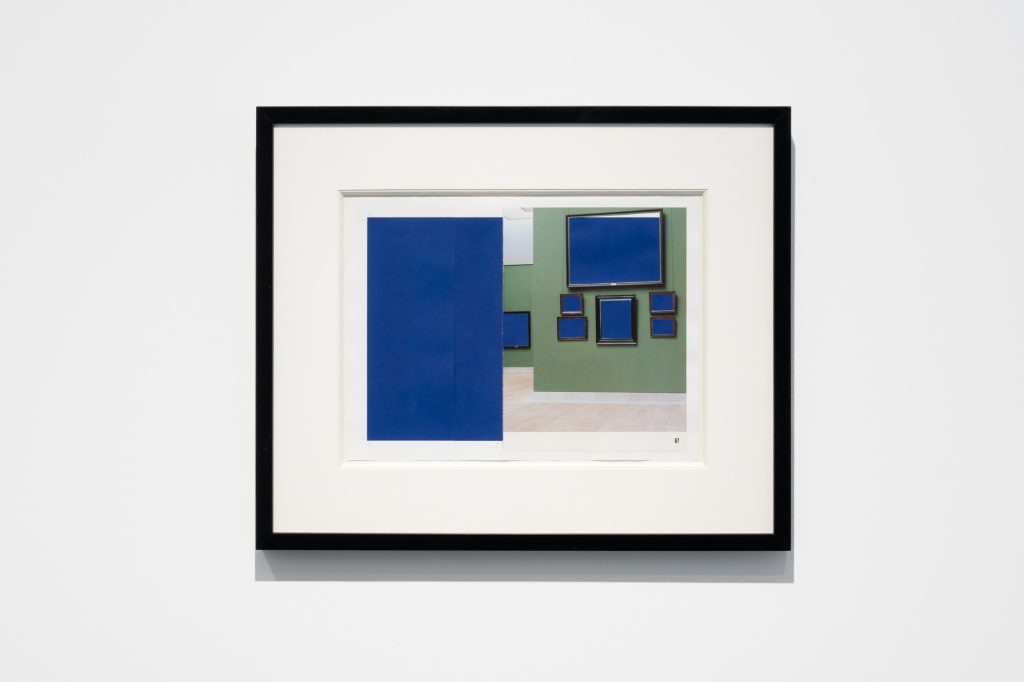
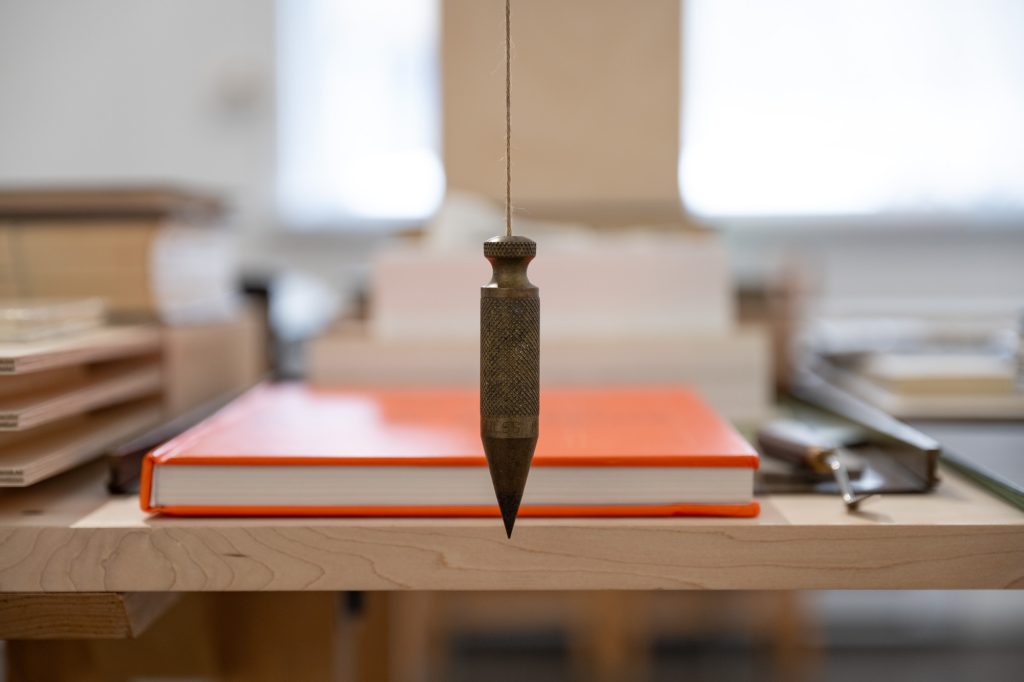
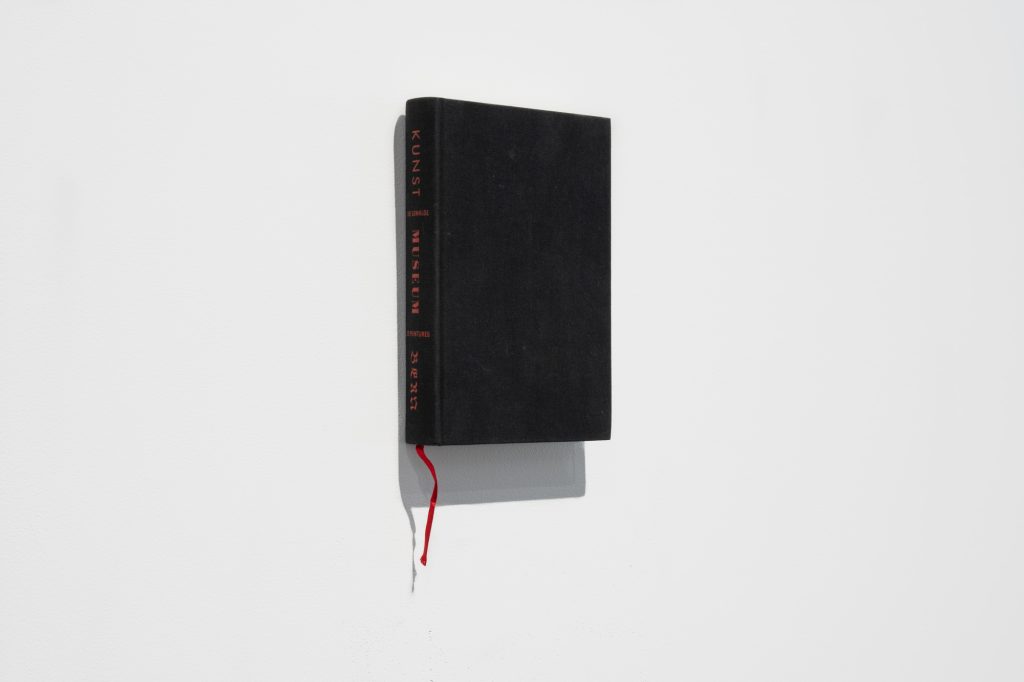
| Après plus de dix ans de silence visuel — sa dernière exposition solo remontant à 2013 — Éric Aubertin revient avec une proposition où installation, peinture monochrome et collages dialoguent autour d’une même interrogation : que reste-t-il d’une page blanche ? La page blanche et la peinture monochrome partagent une même radicalité : celle du vide. L’une s’exprime dans l’écriture, l’autre dans l’image. Toutes deux semblent abolir le langage ou la figuration, mais opèrent moins comme des refus que comme des espaces de suspension. La mise en espace, pensée en dialogue étroit avec l’architecture du lieu, agit comme une partition silencieuse. Elle ne sera jamais figée : légèrement retravaillée chaque jour pendant la durée de l’exposition, elle se donne comme une expérience perceptive suspendue, ouverte, inscrite dans un devenir inachevé. Les œuvres apparaissent à la fois comme images et comme respirations, oscillant entre dévoilement et retrait, dans ce que Merleau-Ponty qualifierait de « mouvement de l’apparaître » — une visibilité toujours en train de se constituer. Chaque collage, chaque surface monochrome, chaque intervalle instaure un espace d’indétermination, où le regard vacille et se perd dans l’épaisseur du visible avant de retrouver un nouvel ancrage. Dans cette oscillation, l’expérience rejoint ce que Didi-Huberman décrit comme une « tension entre apparition et disparition », où voir signifie aussi éprouver une perte. La mise en espace prolonge cette dynamique en donnant au visiteur l’impression de pénétrer dans l’atelier lui-même : un lieu de latence et de genèse où, selon la pensée de Maldiney, l’œuvre s’ouvre à l’imprévisible et se maintient dans l’entre-deux du visible et du possible. Dans un monde saturé d’images, de mots et de sons, la page blanche, le monochrome ou le silence apparaissent comme des résistances. Ils ne proposent pas moins, mais autrement : une intensité dépouillée, un espace de contemplation et de questionnement. Non pas un refus du sens, mais une invitation à l’éprouver dans sa forme la plus nue, la plus essentielle. En donnant à voir une exposition en mouvement, Éric Aubertin propose une expérience où l’incertitude et l’inachèvement constituent les véritables moteurs de la rencontre entre l’œuvre, l’espace et le regardeur. Éric Aubertin développe depuis 1987 une pratique centrée sur le livre, envisagé à la fois comme objet, espace et support de pensée. Son travail interroge les relations entre espace, vide et seuils de perception, à travers installations, peintures et dispositifs visuels. Il explore les notions de limite, de silence et de présence, mettant en tension le visible et l’invisible. Co-fondateur et co-directeur de la galerie Espace Projet, aujourd’hui disparue, Éric Aubertin s’est distingué par une activité soutenue de mise en espace et de commissariat, couvrant un large spectre allant des arts visuels au design et à l’architecture. Son parcours artistique s’est affirmé à travers plusieurs expositions individuelles marquantes : Lignes (Art Mûr, 2008), Séries imparfaites (Visual Voice, 2009), Monochromes (Espace Projet, 2010) et Erratum musical (Espace Projet, 2013). Ses œuvres sont aujourd’hui présentes dans diverses collections privées en Europe et en Amérique du Nord, témoignant de la reconnaissance internationale de sa pratique. Olivier Levasseur Theme related works After more than ten years of visual silence—his last solo exhibition dating back to 2013—Éric Aubertin returns with a proposal in which installation, monochrome painting, and collages engage in a shared inquiry: what remains of a blank page? The blank page and monochrome painting share the same radicalism: that of emptiness. One expresses itself through writing, the other through image. Both seem to abolish language or representation, yet they function less as refusals than as suspended spaces. The spatial arrangement, conceived in close dialogue with the architecture of the venue, acts like a silent score. It is never fixed: slightly adjusted each day during the exhibition, it offers itself as a suspended perceptive experience, open and unfolding in an unfinished becoming. The works appear simultaneously as images and as breaths, oscillating between revelation and withdrawal, in what Merleau-Ponty would call a “movement of appearing”—a visibility always in the process of taking shape. Each collage, each monochrome surface, each interval establishes a space of indeterminacy, where the gaze wavers and gets lost in the thickness of the visible before finding a new point of anchoring. In this oscillation, the experience aligns with what Didi-Huberman describes as a “tension between appearance and disappearance,” where seeing also entails experiencing loss. The spatial arrangement extends this dynamic, giving the visitor the impression of entering the workshop itself: a place of latency and genesis where, following Maldiney’s thought, the work opens to the unpredictable and exists in the in-between of the visible and the possible. In a world saturated with images, words, and sounds, the blank page, the monochrome, and silence appear as forms of resistance. They propose not less, but differently: a stripped-down intensity, a space for contemplation and questioning. Not a refusal of meaning, but an invitation to experience it in its most bare, essential form. By presenting an exhibition in motion, Éric Aubertin offers an experience in which uncertainty and incompletion become the true engines of the encounter between the work, the space, and the viewer. Since 1987, Éric Aubertin has developed a practice centered on the book, considered simultaneously as object, space, and vehicle for thought. His work explores the relationships between space, emptiness, and thresholds of perception through installations, paintings, and visual devices. He investigates the notions of limit, silence, and presence, creating a tension between the visible and the invisible. Co-founder and co-director of the now-closed Galerie Espace Projet, Éric Aubertin has distinguished himself through sustained activity in spatial design and curatorship, spanning a wide spectrum from visual arts to design and architecture. His artistic trajectory has been affirmed through several significant solo exhibitions: Lines (Art Mûr, 2008), Imperfect Works (Visual Voice, 2009), Monochromes (Espace Projet, 2010), and Erratum Musical (Espace Projet, 2013). His works are now present in various private collections in Europe and North America, reflecting the international recognition of his practice. Translated by Henry Avery |